

28 May
when did smiths cutlery move from oklahoma
when did smiths cutlery move from oklaho...
when did smiths cutlery move from oklahoma
The history of cutlery brands and manufacturing companies has always attracted attention from collectors, restaurant owners, kitchenware retailers, and dining enthusiasts. One question that frequently appears among buyers and knife collectors is when Smiths Cutlery moved from Oklahoma and how the company developed over time. Questions like these reflect the growing consumer interest in the origins of knife manufacturing, production quality, and the long-term reputation of cutlery brands in the international market.
The cutlery industry has changed significantly over the past several decades. Many traditional companies started as regional manufacturers before expanding production, adjusting supply chains, or partnering with overseas factories to remain competitive. As global demand increased, brands often shifted operations, upgraded manufacturing systems, or diversified their product lines to adapt to changing consumer expectations and modern retail environments.
Consumers today care about more than just sharp blades or polished utensils. They want to understand where products are made, how materials are selected, and whether manufacturing processes meet modern quality standards. This is especially important in the kitchenware and dining industry because buyers expect long-lasting performance, corrosion resistance, and safe food-contact materials.
For more than thirty years, Homefelt has focused on professional stainless steel manufacturing and has accumulated extensive experience producing kitchen utensils, dining accessories, barbecue tools, children’s tableware, pet bowls, and customized stainless steel products. Through advanced manufacturing systems and strict inspection standards, Homefelt supports global buyers who require reliable production quality and flexible customization capabilities.
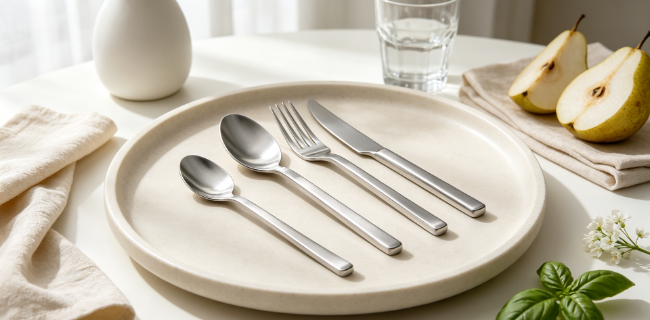
When discussing older cutlery brands and manufacturing history, collectors often compare modern products with vintage stainless steel collections. Many buyers are interested in traditional European-inspired designs, especially products similar to paul wirths besteck 18 10, which represent durable stainless steel craftsmanship combined with elegant appearance. Stainless steel products with 18/10 compositions remain popular because they offer strong corrosion resistance, excellent durability, and a refined polished finish suitable for both daily use and luxury dining.
The movement of manufacturing locations within the cutlery industry is often influenced by several important factors. Labor costs, transportation efficiency, technological upgrades, supply chain management, and international trade all affect where production takes place. Many companies that originally operated within smaller regional markets eventually expanded production partnerships internationally in order to increase competitiveness and support growing demand.
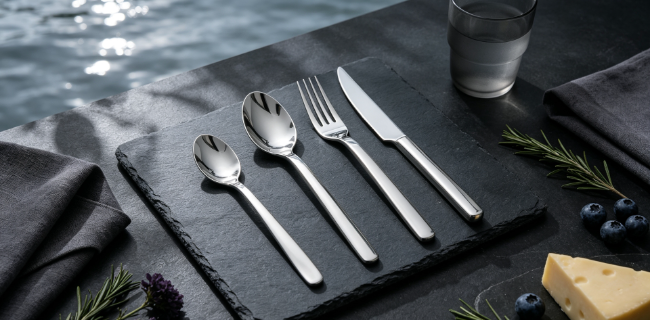
Modern consumers also expect visually attractive products that complement contemporary dining aesthetics. This is why design trends continue evolving across global markets. Products with geometric lines, matte textures, and clean silhouettes have become increasingly popular. Searches related to edelstahl besteck kantig show that many consumers appreciate angular stainless steel designs that combine modern elegance with practical usability.
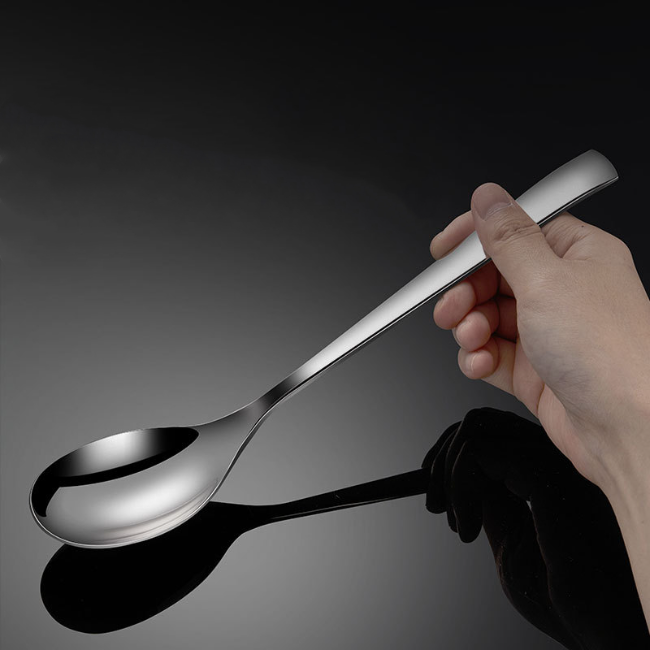
Professional manufacturers understand that quality consistency remains one of the most important factors in customer satisfaction. Every production stage, including stamping, polishing, heat treatment, grinding, and surface finishing, directly influences the durability and appearance of the final product. Factories with advanced technical expertise can maintain stable quality standards across large international orders.
The healthcare and specialty tool market also contributes to demand for precision stainless steel products. Terms like op besteck tuerärzte demonstrate how stainless steel utensils are used not only for dining but also in professional environments requiring hygienic and durable instruments. High-grade stainless steel remains essential in industries where cleanliness, corrosion resistance, and long-term reliability are critical.
As consumer expectations continue increasing, manufacturers must balance affordability with premium quality. Many buyers now look for products that offer luxury appearance without excessive cost. Efficient production systems, automated polishing equipment, and advanced quality control procedures help manufacturers achieve competitive pricing while maintaining excellent product standards.
The rise of online retail has also transformed the cutlery industry. Buyers can now compare product reviews, material specifications, manufacturing origins, and design features before making purchasing decisions. Transparency has become increasingly important. Consumers prefer brands and factories that openly demonstrate production experience, quality control systems, and manufacturing expertise.
In addition to knives and forks, the broader cutlery market now includes serving utensils, storage accessories, portable travel utensils, and hospitality solutions. Hotels, restaurants, cafes, and catering companies often require customized dining products designed specifically for commercial use. Durable stainless steel construction helps businesses reduce replacement frequency while maintaining professional presentation quality.
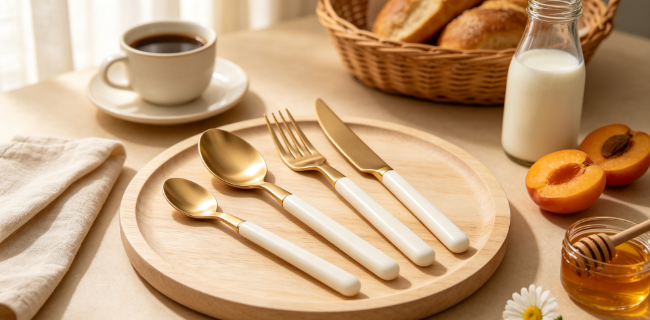
Dining aesthetics continue influencing purchasing trends as well. Consumers increasingly coordinate cutlery with tableware, kitchen design, and event decoration themes. Elegant finishes such as brushed stainless steel, matte black coatings, gold plating, and satin textures have become especially popular in modern dining environments. Manufacturers capable of producing multiple finishes can better satisfy diverse market preferences.
At the same time, sustainability has become a major priority in global kitchenware markets. Reusable stainless steel utensils are widely preferred over disposable alternatives because they support long-term environmental goals and provide better long-term value. Durable cutlery products reduce waste while also delivering superior dining experiences compared to lower-quality disposable materials.
As a professional stainless steel manufacturer, Homefelt continuously invests in modern production technology, strict quality inspection systems, and innovative product development. The company supports global customers seeking customized dining solutions, hospitality products, and branded kitchenware collections. Through flexible manufacturing capabilities and reliable quality standards, Homefelt continues building strong relationships with international buyers.
The global cutlery industry will continue evolving as consumer lifestyles, dining habits, and design preferences change over time. However, the core expectations remain consistent. Buyers want products that combine durability, safety, comfort, and visual elegance. Manufacturers capable of maintaining these qualities while adapting to modern market trends will continue succeeding in the highly competitive kitchenware industry.
Whether consumers are researching historical brands, comparing stainless steel compositions, or searching for premium dining accessories, quality manufacturing remains the foundation of long-term product value. Through decades of experience and continuous innovation, Homefelt remains committed to providing professional stainless steel products designed for both residential and commercial dining markets worldwide.