

10 May
Stainless Steel Cutlery for Supermarket Retail Programs
Stainless Steel Cutlery for Supermarket ...
Stainless Steel Cutlery for Supermarket Retail Programs
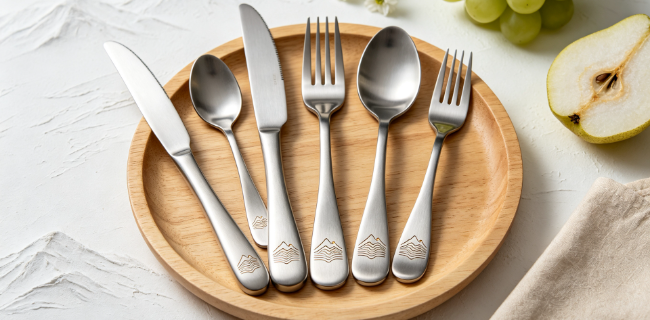
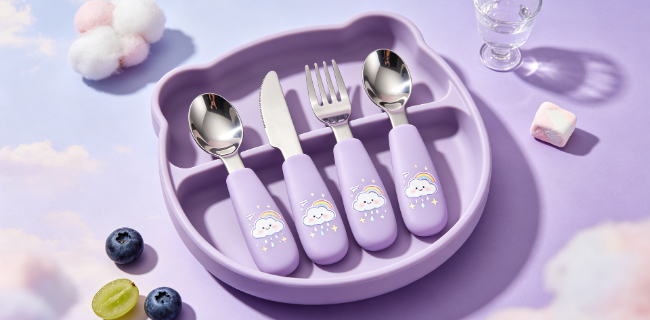
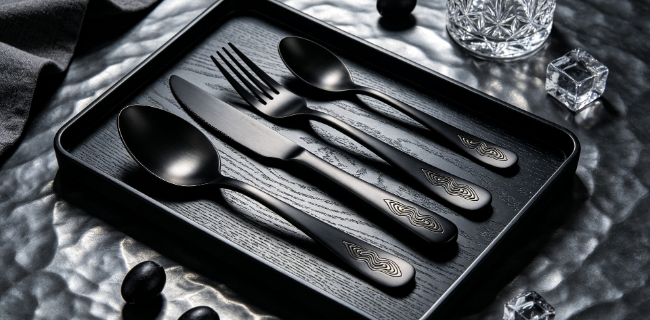
Supermarket buyers need stainless steel cutlery products that are easy to compare, clearly presented, and suitable for different customer budgets. A retail cutlery range may include individual spoons, forks, table knives, coordinated flatware sets, and premium designs. Each item must fit the retailer’s assortment strategy while meeting expectations for appearance, usability, and consistent quality.
For importers, retail distributors, and supermarket purchasing teams, choosing a reliable cutlery manufacturer is about more than finding an attractive product. The supplier must also understand product specifications, retail packaging, private-label requirements, and the production capacity needed to support planned promotions and ongoing replenishment.
Homefelt factory works with B2B buyers on stainless steel cutlery customization, OEM and ODM projects, wholesale orders, and large-volume production. With specifications established at the beginning of a project, buyers can build a retail range that is easier to evaluate, manage, and expand.
Plan a Cutlery Assortment Around Retail Demand
A successful supermarket cutlery program begins with a clear assortment structure. Offering too many similar designs can make purchasing and inventory management unnecessarily complicated, while an assortment with too few options may not serve different customer preferences.
Buyers can organize their range into several product groups.
Entry-level cutlery sets can focus on practical everyday use, straightforward designs, and competitive target pricing. These products may suit customers purchasing their first complete set or replacing basic household flatware.
Mid-range collections can emphasize coordinated appearance, comfortable handling, and a wider choice of set configurations. Buyers may consider different handle designs, polished surfaces, or combinations of knives, forks, and spoons.
Premium retail collections can feature distinctive styling, upgraded material specifications, or decorative details. Product claims should match the actual construction and supporting documentation.
Individual pieces can complement complete sets. Replacement spoons, forks, and table knives allow retailers to serve customers who need additional items without purchasing an entire collection.
This structure gives supermarket buyers a practical starting point for evaluating product coverage, target price points, and potential sales opportunities.
Define Product Specifications Before Requesting Quotes
Product specifications help retailers compare quotations fairly. Two cutlery sets may appear similar in photographs but differ in steel grade, dimensions, thickness, weight, surface treatment, and packaging configuration.
A purchasing specification should identify the following information:
Material grade: Specify the required stainless steel grade for the intended product and market.
Product dimensions: Record the length and relevant width measurements of each knife, fork, and spoon.
Thickness: Define the required thickness for applicable parts and establish tolerances where necessary.
Unit weight: Include target weights when product consistency or shelf positioning depends on weight.
Surface finish: Identify the required polished, satin, or other agreed finish.
Set composition: List the exact quantity and type of each piece included in the retail package.
Branding: Specify logo placement, marking method, and approved artwork where applicable.
Packaging: Confirm package dimensions, material, labels, barcode requirements, and carton quantities.
These details should be confirmed in a product specification sheet or approved drawing. They help the retailer and manufacturer work from the same reference throughout sampling, production, and inspection.
Match Packaging to the Retail Sales Environment
Packaging affects how stainless steel cutlery is displayed, handled, and delivered to retail locations. Supermarkets may use shelf displays, hanging packages, open-front boxes, gift-style cartons, or packaging designed for online product fulfillment.
The appropriate format depends on the retailer’s shelf dimensions, merchandising strategy, target price, and distribution process.
For example, a retailer selling a basic four-piece set may prioritize compact packaging that makes the product easy to identify. A larger flatware set may require an insert or internal arrangement that keeps individual pieces organized and helps customers see the product clearly.
Before finalizing packaging, buyers should confirm:
The number of cutlery pieces inside each package.
Whether the product needs a window, product photograph, or printed specifications.
Brand logo, product name, item number, and barcode placement.
Packaging dimensions and shipping-carton configuration.
Protection against scratches and movement during transportation.
Any destination-market labeling requirements applicable to the product.
Packaging artwork should be approved before mass production. If the retailer has a formal packaging manual, sharing it early helps the supplier coordinate the design and production requirements more efficiently.
Quality Control for Retail Cutlery
Retail products need consistent appearance because differences between packages can affect customer confidence and create avoidable returns. A quality plan should therefore address both individual product quality and the completeness of each retail unit.
For stainless steel knives, forks, and spoons, inspection may cover surface scratches, dents, polishing marks, dimensional variation, sharp or irregular edges, and other defects defined in the approved specification.
Set assembly requires additional checks. Inspectors can verify that the correct number of pieces is included, that each component matches the approved design, and that the retail packaging corresponds to the intended product version.
Carton inspections can confirm package counts, labels, product codes, and packing arrangements. Buyers should establish inspection methods, sampling quantities, and acceptance criteria before production rather than relying on an informal visual review at the end.
Where required, the supplier can discuss relevant material documentation, product test reports, and factory audit records. Any documents should be checked for scope, validity, and applicability to the actual product and destination market.
Project Example: Building a Three-Tier Supermarket Range
Consider a retail distributor planning a new cutlery range for supermarkets. The buyer wants an affordable everyday set, a more refined mid-range option, and a premium collection with a distinctive appearance.
Instead of developing three unrelated product groups, the purchasing team can create a structured product brief. The brief identifies the target price range, proposed set composition, material requirements, finish, packaging format, and expected order volume for each tier.
The manufacturer then helps evaluate suitable designs and production options. Samples are reviewed against the specifications, while the buyer checks product appearance, piece proportions, packaging dimensions, and estimated landed cost.
Before the order is confirmed, each product receives its own approved specification and packaging reference. This makes it easier to distinguish the three ranges during manufacturing and retail distribution.
This is an illustrative planning scenario, not a claim about a specific completed customer project. It demonstrates how structured product development can help retail buyers coordinate assortment decisions and supplier communication.
Private Label and OEM Support from Homefelt Factory
Supermarket chains and retail distributors may want products that fit their own brand identity rather than purchasing only standard designs. Homefelt factory supports B2B discussions for OEM and ODM stainless steel cutlery, private-label programs, wholesale supply, and bulk production.
OEM projects can follow customer-provided specifications and approved artwork. ODM projects can begin with a design concept and develop through product selection, sample review, and specification confirmation.
Depending on project requirements, customization may cover:
Knife, fork, and spoon designs.
Material and dimensional specifications.
Coordinated product collections and set configurations.
Surface finish and suitable decorative details.
Private-label packaging and branding.
Packing quantities and export carton arrangements.
Homefelt can also coordinate product design, packaging, and transportation planning as part of a one-stop service approach. Buyers should provide the intended market, sales channel, estimated volume, packaging brief, and required documentation so that the project can be assessed against practical manufacturing conditions.
For large retail programs, it is especially useful to confirm the final product and packaging references before production. Clear approval records reduce uncertainty when multiple designs or package versions are involved.
Prepare Your Next Retail Cutlery Project
A well-planned supermarket cutlery range brings together product selection, specifications, packaging, quality standards, and purchasing objectives. Retailers benefit from defining these requirements before requesting quotations, while manufacturers can use the information to propose more relevant products and production arrangements.
Homefelt factory welcomes inquiries from supermarket suppliers, importers, distributors, and retail brands seeking customized stainless steel cutlery. Share your target assortment, product requirements, packaging needs, and estimated quantities to discuss OEM/ODM options and bulk pricing.
You May Be Interested In
Stainless Steel Cutlery OEM Manufacturing
Private Label Flatware Sets
Custom Stainless Steel Knife, Fork, and Spoon Designs
Wholesale Cutlery Collections for Retailers
Stainless Steel Cutlery Product Specifications
Explore Homefelt factory: https://www.huabao-homecollection.com/