

29 May
what percentage is best in stainless steel cutlery
what percentage is best in stainless ste...
what percentage is best in stainless steel cutlery
When discussing stainless steel cutlery, the “best percentage” usually refers to the composition of chromium and nickel inside the steel alloy. These percentages directly influence durability, rust resistance, shine, and long-term performance. Among the most popular and respected stainless steel grades for cutlery is 18/10 stainless steel, which contains approximately 18 percent chromium and 10 percent nickel.
Consumers researching premium dining products often compare styles and materials while searching terms such as besteck schwarzwald, bambus besteck to go, and justinus besteck alpha. These searches reflect growing interest in both high-quality stainless steel collections and environmentally conscious dining solutions.
Chromium is essential because it creates the protective layer that resists rust and corrosion. Nickel improves shine, smoothness, and resistance to staining. Together, these elements help stainless steel maintain its attractive appearance even after years of regular use.
An 18/10 composition is widely considered one of the best options for premium cutlery because it offers excellent durability and elegant shine. Another common grade is 18/8 stainless steel, which contains slightly less nickel but still performs very well in household and hospitality environments.
Lower-grade stainless steel products may contain less chromium and little or no nickel. While these products are often cheaper, they may become dull, stain more easily, or feel lighter and less durable. Consumers increasingly prefer higher-quality materials because they provide better long-term value.
A professional manufacturer like Homefelt understands the importance of material composition in stainless steel production. With over thirty years of experience manufacturing kitchen utensils, barbecue tools, pet bowls, children’s tableware, and dining accessories, the company focuses heavily on quality control and durable manufacturing standards.
The popularity of stainless steel cutlery grew rapidly during the twentieth century because it solved many problems associated with older materials. Silver required constant polishing, while carbon steel could rust easily. Stainless steel offered a practical combination of hygiene, strength, and low maintenance.
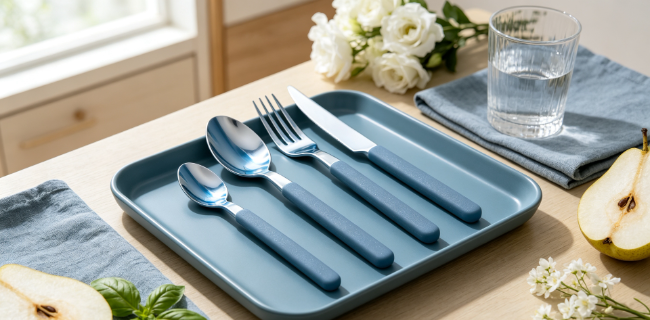
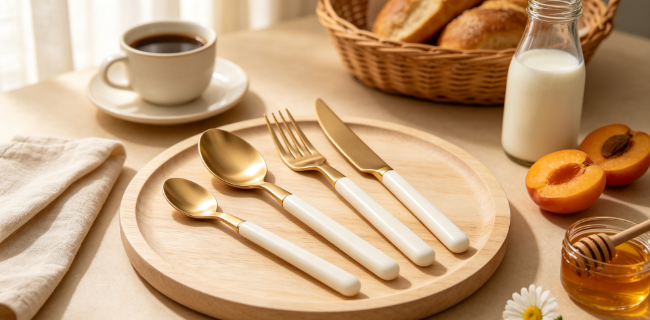
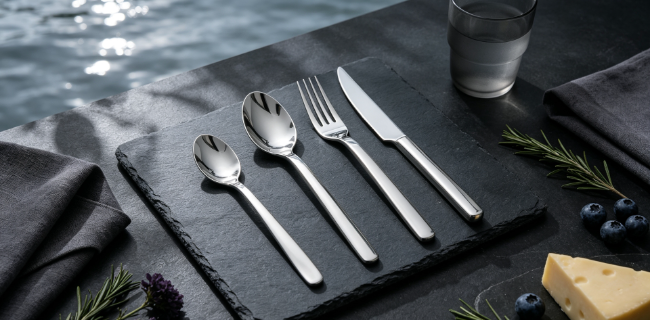
Modern consumers also care deeply about appearance. Polished mirror finishes, brushed matte textures, and black-coated stainless steel are all popular in today’s market. Elegant dining collections can significantly enhance table presentation in homes and restaurants alike.
Search phrases such as justinus besteck alpha show that buyers are interested in premium-looking tableware that balances modern aesthetics with reliable functionality. Well-manufactured stainless steel cutlery should feel comfortable in the hand while maintaining balance and durability.
Another important consideration is dishwasher safety. High-quality stainless steel products resist staining and corrosion better during repeated wash cycles. Many consumers specifically seek dishwasher-safe products because convenience has become an essential part of modern living.
The hospitality industry heavily depends on durable stainless steel products. Restaurants, hotels, cafes, and catering companies require cutlery that can withstand constant washing and intensive daily use. Premium stainless steel grades reduce replacement costs and maintain professional appearance over time.
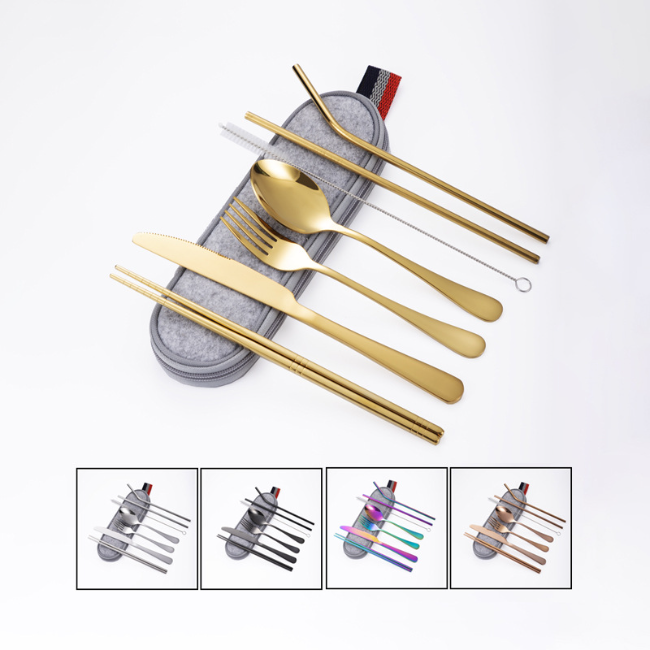
Environmental awareness is also influencing consumer preferences. Reusable stainless steel cutlery is increasingly favored over disposable plastic alternatives. Products like bambus besteck to go demonstrate growing interest in portable and sustainable dining accessories for travel and outdoor activities.
Manufacturers must balance aesthetics, performance, and production costs when selecting materials. Higher nickel content improves shine and corrosion resistance, but it also increases manufacturing expenses. Reliable factories carefully optimize these factors to meet different market segments.
Experienced producers like Homefelt use advanced polishing techniques and strict material selection processes to create products suitable for global distribution. Consistency in steel composition is essential for maintaining customer satisfaction and product reliability.
The design of stainless steel cutlery has evolved significantly over time. Traditional European patterns featured ornate decoration and heavier construction, while modern designs emphasize minimalism and ergonomic comfort. Search interest in besteck schwarzwald suggests that regional and traditional styles still attract many consumers today.
Families increasingly prioritize safe and durable dining products for children. Stainless steel children’s utensils are popular because they are hygienic, resistant to breakage, and easy to clean. Manufacturers specializing in children’s tableware must meet high international safety standards.
Weight and balance are also important indicators of quality. Premium cutlery should feel solid without being overly heavy. Well-balanced utensils improve comfort during meals and contribute to a more refined dining experience.
The rise of social dining culture and food photography has further increased attention toward table presentation. Consumers now view cutlery as part of lifestyle and interior design rather than purely functional kitchen equipment. Attractive tableware enhances the overall dining atmosphere.
Proper care remains important even for premium stainless steel products. Immediate drying after washing helps prevent water spots, while avoiding harsh chemicals preserves the polished surface. High-quality stainless steel is resistant to corrosion, but good maintenance practices extend lifespan significantly.
Factories like Homefelt continue adapting to changing market trends by developing modern collections suitable for households, restaurants, and retail distributors worldwide. Long-term experience in stainless steel manufacturing allows the company to produce products that meet both aesthetic and functional expectations.
The future of stainless steel cutlery will likely include even greater focus on sustainability, ergonomic innovation, and advanced surface finishes. Consumers increasingly expect products to combine durability with modern visual appeal.
Ultimately, the best percentage for stainless steel cutlery depends on the intended use and quality expectations. For premium dining products, 18/10 stainless steel remains one of the most respected and widely recommended options because it offers excellent corrosion resistance, beautiful shine, and long-term durability.
As dining culture continues evolving globally, consumers will keep demanding products that balance elegance, convenience, and sustainability. High-quality stainless steel cutlery remains one of the most reliable choices for modern households and hospitality environments because it delivers performance, hygiene, and timeless style.