

27 May
what is not considered cutlery
what is not considered cutleryCutlery is...
what is not considered cutlery
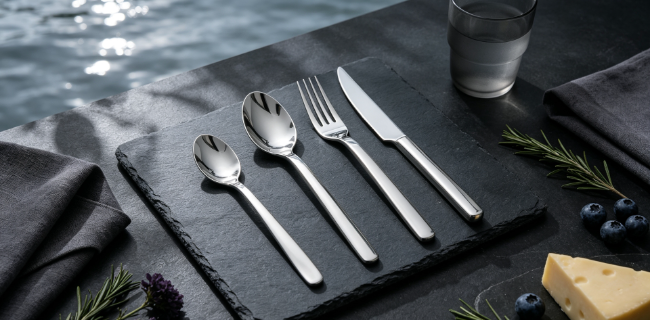
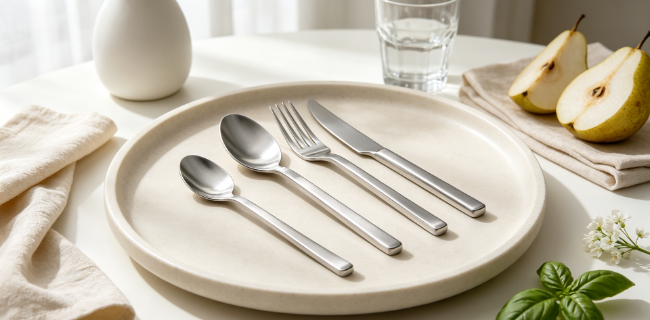
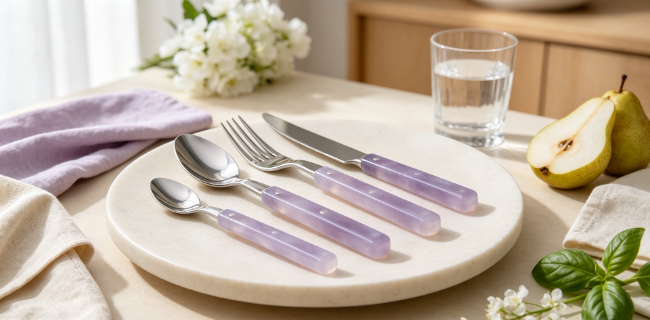
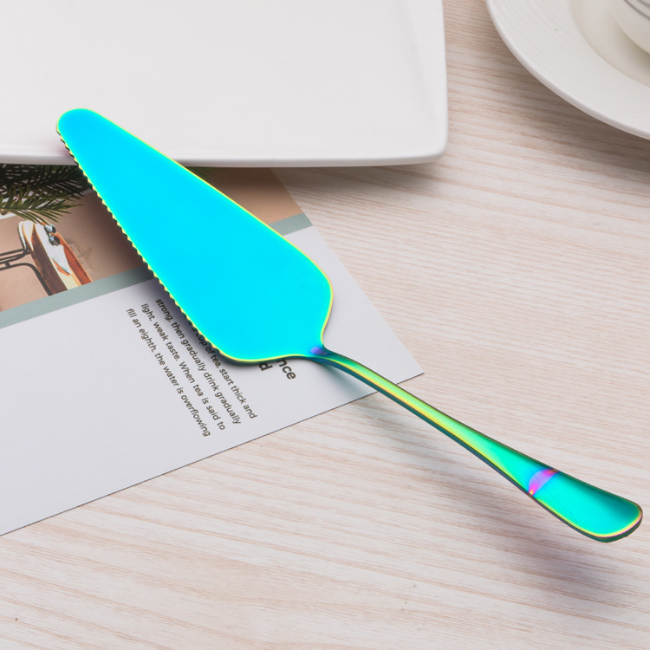
Cutlery is generally defined as the collection of handheld tools used during food preparation, serving, and dining. Forks, knives, spoons, and specialized serving utensils are commonly recognized as standard cutlery products across households, restaurants, hotels, and catering industries. However, many consumers often ask what is not considered cutlery because the boundaries between kitchenware, cookware, serving accessories, and dining tools can sometimes become unclear. Understanding these distinctions is important for manufacturers, retailers, hospitality businesses, and consumers searching for high-quality dining products.
In most situations, cookware such as pots, pans, baking trays, and kettles are not considered cutlery because they are designed for cooking rather than direct dining or serving. Similarly, kitchen appliances including mixers, blenders, ovens, and coffee machines belong to separate product categories within the broader kitchenware industry. Plates, bowls, glasses, and serving platters are usually classified as tableware rather than cutlery because they function as food containers instead of handheld eating tools.
The history of dining utensils has evolved significantly over centuries. Early civilizations relied on simple eating implements made from wood, bone, bronze, and iron before the widespread development of stainless steel production. Today, modern cutlery combines advanced metallurgy, ergonomic design, and refined surface finishing to satisfy both practical and aesthetic expectations.
Consumers interested in traditional metalworking often search for products associated with besteck von reinickel, referring to cutlery made from pure nickel materials. Historically, nickel alloys were valued for their corrosion resistance and polished appearance before stainless steel became the dominant material within the global cutlery industry. The evolution of metalworking technology has continuously influenced the development of modern dining utensils.
Professional manufacturing expertise remains essential for producing reliable stainless steel products suitable for modern dining environments. Homefelt, a stainless steel products factory with more than 30 years of manufacturing experience, specializes in kitchenware, BBQ tools, children's tableware, pet bowls, and various household stainless steel products. Through advanced production technology and strict quality control management, the company supports international demand for durable and visually refined dining solutions.
Dining culture has also strongly influenced the definition of cutlery throughout history. In formal Western dining traditions, cutlery generally refers specifically to forks, knives, and spoons arranged according to established etiquette systems. Decorative serving accessories and table decoration items are usually categorized separately despite being used together during meals.
Elegant product collections associated with besteck justinus tipo demonstrate how modern consumers increasingly seek coordinated dining systems that combine sophisticated appearance with practical usability. Complete tableware collections help create refined dining environments suitable for both family gatherings and hospitality businesses.
Historical dining traditions linked to besteck 19 jh, referring to nineteenth-century cutlery, further illustrate how utensils have evolved from handcrafted luxury items into widely accessible household essentials. Antique dining products from earlier centuries remain highly admired for their decorative engraving, craftsmanship, and cultural significance.
The distinction between cutlery and other kitchen products is also important within manufacturing and retail industries. Storage containers, cutting boards, cookware, and food preparation equipment are usually categorized separately because they serve different practical functions despite belonging to the broader kitchenware market.
Modern stainless steel remains the preferred material for contemporary cutlery because it combines durability, corrosion resistance, hygiene, and elegant visual appearance. High-quality stainless steel products can withstand repeated dishwasher cycles and intensive daily use while maintaining structural integrity and polished finishes.
The popularity of collections associated with besteck von reinickel reflects continued consumer appreciation for metal craftsmanship and historical dining aesthetics. Many buyers now seek products that balance classic design influences with the practical advantages of modern manufacturing technologies.
Dining presentation also plays an increasingly important role in modern consumer behavior. Coordinated table settings featuring polished utensils, elegant glassware, and decorative serving accessories contribute significantly to hospitality experiences and interior decoration trends.
Products connected to besteck justinus tipo further demonstrate how consumers value elegant dining collections capable of combining comfort, durability, and visual sophistication. Balanced weight distribution, ergonomic handles, and polished finishes all contribute to high-quality dining experiences.
Historical references associated with besteck 19 jh continue influencing contemporary kitchenware design. Many manufacturers incorporate vintage-inspired handle patterns, decorative detailing, and classic surface finishes into modern stainless steel products to appeal to consumers interested in heritage aesthetics.
The hospitality industry places especially high demands on cutlery quality because restaurants and hotels require products capable of enduring intensive daily use without losing appearance or structural reliability. Professional-grade stainless steel remains essential for maintaining hygiene standards and long-term performance.
Manufacturing precision strongly affects the final quality of dining products. Surface polishing, alloy composition, stamping accuracy, and ergonomic shaping all contribute to long-term customer satisfaction. Experienced factories such as Homefelt carefully manage these production stages to maintain reliable international quality standards.
The distinction between cutlery and non-cutlery products also influences online retail organization and search optimization. Consumers often search specifically for forks, knives, spoons, or serving utensils when shopping for dining products, while cookware and kitchen appliances are categorized separately for convenience and clarity.
Traditional metal products connected to besteck von reinickel and modern dining collections associated with besteck justinus tipo both reflect the enduring relationship between material quality and dining culture. Consumers increasingly appreciate products that combine long-term durability with elegant presentation.
Historical dining traditions represented by besteck 19 jh further demonstrate how cutlery has evolved alongside social customs, hospitality standards, and manufacturing technologies. Antique-inspired aesthetics continue influencing contemporary product development across global kitchenware markets.
The growing emphasis on sustainability has also increased demand for durable reusable cutlery capable of replacing disposable plastic utensils. Stainless steel products remain especially valuable because of their long lifespan and environmentally responsible reusability.
Whether consumers are researching historical materials connected to besteck von reinickel, elegant coordinated collections such as besteck justinus tipo, or heritage dining traditions associated with besteck 19 jh, understanding what qualifies as cutlery helps clarify the broader structure of the kitchenware industry.
With more than three decades of professional stainless steel manufacturing expertise, Homefelt continues supporting global dining markets through advanced production systems, strong quality control standards, and versatile product capabilities designed for modern hospitality and household use.