

22 May
what is meaning of plastic cutlery
what is meaning of plastic cutleryPlasti...
what is meaning of plastic cutlery
Plastic cutlery is a general term used to describe forks, knives, spoons, and serving utensils manufactured from synthetic plastic materials instead of traditional metals or wood. In modern dining culture, plastic cutlery has become an important part of food packaging, outdoor dining, takeaway services, catering events, airline meals, school lunches, and fast food operations. Consumers often search for stylish and durable disposable utensils because convenience and hygiene have become key priorities in the global food industry. At the same time, buyers are also paying attention to design quality, sustainability, and food safety standards when selecting plastic utensils for personal or commercial use.
The meaning of plastic cutlery extends beyond simple disposable spoons and forks. Today, manufacturers produce reusable plastic utensils, biodegradable alternatives, reinforced catering sets, and premium designer collections that combine convenience with elegant appearance. Many restaurants and event organizers now prefer stronger and visually attractive utensils because presentation directly affects customer satisfaction. Keywords such as edelstahl chromargan bestecke and premium tableware trends show how consumers compare modern plastic utensils with high-end stainless steel dining products.
For decades, Homefelt has focused on the manufacturing and export of kitchenware and dining accessories. With more than 30 years of experience in stainless steel production, the factory understands both traditional cutlery craftsmanship and the growing market demand for modern dining accessories. The company produces kitchen utensils, barbecue tools, children’s tableware, pet bowls, serving accessories, and customized dining products for international clients. This manufacturing knowledge allows Homefelt to support wholesalers, retailers, supermarkets, restaurants, and online brands with stable quality and reliable production standards.
Plastic cutlery is usually manufactured from polypropylene, polystyrene, CPLA, ABS plastic, or biodegradable plant-based materials. Each material serves a different commercial purpose. Polypropylene products are lightweight and flexible, making them suitable for takeaway restaurants and cafeterias. Polystyrene versions are harder and more rigid, often used in packaged meal kits. Compostable materials are becoming increasingly popular because environmentally conscious consumers prefer products with lower environmental impact. The growth of sustainable packaging has encouraged manufacturers to invest in safer and stronger alternatives.
Consumers searching for products connected to michelin germany besteck often expect restaurant-quality presentation even in disposable dining experiences. This trend has transformed the plastic cutlery industry from a low-cost commodity business into a design-oriented market segment. Luxury catering companies now demand polished finishes, ergonomic handles, and customized packaging. Elegant disposable cutlery sets are widely used at weddings, exhibitions, business conferences, and hotel events because they combine convenience with premium visual appeal.
The history of plastic cutlery dates back to the mid twentieth century when disposable food packaging became widely accepted in North America and Europe. Fast food chains and airline companies needed affordable utensils that could reduce cleaning costs and improve efficiency. Early plastic utensils were simple and fragile, but continuous improvements in molding technology allowed manufacturers to create stronger and safer products. Today, high-quality plastic cutlery can imitate the appearance of metal utensils while remaining lightweight and economical.
One reason plastic cutlery remains popular is convenience. Restaurants save labor costs because employees do not need to wash or polish utensils after use. Event organizers can manage large gatherings more efficiently because disposable utensils reduce cleaning time. Outdoor events, camping trips, and picnics also benefit from portable dining accessories. These practical advantages explain why plastic cutlery continues to maintain strong global demand despite growing environmental discussions.
Many buyers researching besteck bb b ns ep are also interested in material markings and quality indicators. In traditional metal cutlery, markings often indicate silver plating or alloy composition. In plastic cutlery, buyers instead focus on food-safe certifications, BPA-free standards, temperature resistance, and durability testing. Reliable factories invest heavily in quality control systems to ensure products comply with international regulations for food contact materials.
As a professional manufacturer, Homefelt pays close attention to consumer safety and manufacturing consistency. Quality inspection processes include material verification, polishing evaluation, handle testing, edge smoothness inspection, packaging checks, and durability assessments. Even though the company is primarily recognized for stainless steel expertise, its broad experience in kitchenware production helps clients develop complete dining collections that match different market needs.
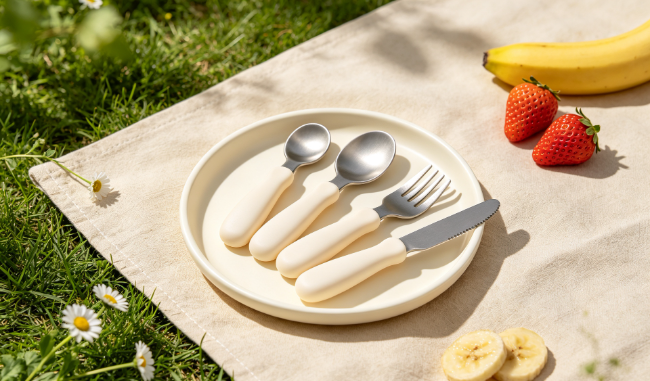
The appearance of plastic cutlery has evolved dramatically in recent years. Earlier designs focused only on functionality, but modern consumers expect stylish aesthetics. Matte finishes, transparent handles, metallic colors, and luxury-inspired shapes are increasingly popular in premium disposable tableware collections. Some manufacturers even design utensils inspired by high-end European dining patterns to appeal to upscale restaurants and hospitality businesses.
Another important aspect of plastic cutlery is customization. Businesses frequently request logo printing, branded packaging, or color matching to strengthen their brand image. Customized utensils are especially popular among cafes, hotels, airline companies, and food delivery platforms. By working with experienced manufacturers like Homefelt, brands can create coordinated dining solutions that improve customer recognition and enhance dining presentation.
The market for reusable plastic cutlery has also expanded rapidly. Many consumers now prefer reusable travel utensils for work lunches, school meals, and outdoor activities. These products are designed to withstand repeated washing while remaining lightweight and affordable. Reusable plastic sets are commonly packaged with storage boxes or travel cases, making them practical for modern lifestyles.
Global dining habits continue to influence cutlery design trends. Some regions prefer lightweight spoons, while others prioritize sturdy forks or serrated knives. Manufacturers must understand local dining culture, portion sizes, and food preferences when developing products for international markets. This flexibility is one reason experienced factories maintain competitive advantages in the global supply chain.
Discussions around environmental sustainability have encouraged innovation throughout the industry. Compostable utensils made from cornstarch, bamboo fiber, or plant-based materials are becoming more common in eco-friendly restaurants and catering services. Although traditional plastics remain widely used because of cost advantages, many businesses are gradually transitioning toward greener solutions. Manufacturers capable of balancing sustainability, durability, and affordability are likely to dominate future market growth.
Professional tableware suppliers also recognize the importance of packaging design. Retail buyers often choose products based on shelf presentation and convenience. Transparent boxes, kraft paper packaging, eco-themed graphics, and reusable storage options are increasingly popular. Attractive packaging improves product visibility and strengthens customer trust in product quality.
Consumers comparing plastic utensils with stainless steel products such as edelstahl chromargan bestecke often notice differences in durability, weight, and long-term value. Stainless steel cutlery offers excellent longevity and premium dining appeal, while plastic cutlery provides unmatched convenience and portability. Instead of competing directly, these categories often serve different usage scenarios. Many households and restaurants purchase both reusable steel sets and disposable utensils depending on the occasion.
The rise of online shopping has also changed how consumers buy cutlery products. Customers can now compare thousands of products based on reviews, material specifications, colors, and pricing. This competitive environment encourages manufacturers to improve production quality while maintaining efficient supply chains. Factories with strong production capabilities and international export experience are more likely to build long-term partnerships with global clients.
For large commercial buyers, consistency is extremely important. Restaurants, supermarkets, and distributors need suppliers capable of delivering stable quality across large production volumes. Uneven product thickness, poor polishing, or weak handles can damage a brand’s reputation. Experienced factories therefore invest heavily in tooling accuracy, raw material sourcing, and production management systems.
At Homefelt, product development combines practical usability with modern aesthetics. The company understands that consumers increasingly value products that are both functional and visually appealing. Whether manufacturing children’s tableware, barbecue tools, pet feeding products, or dining accessories, the factory emphasizes strict quality standards and customer-oriented design principles.
The phrase plastic cutlery may sound simple, but the industry behind it involves material science, industrial design, global logistics, and changing consumer expectations. From fast food restaurants to luxury catering events, disposable utensils continue to play a major role in modern dining culture. Businesses that prioritize quality, safety, and innovation will continue to lead the evolving tableware market.
As dining habits continue to change worldwide, the demand for practical and stylish utensils will remain strong. Buyers searching for premium products inspired by michelin germany besteck or durable collections connected with edelstahl chromargan bestecke increasingly expect suppliers to provide both functionality and visual elegance. With decades of production experience and a deep understanding of international dining trends, Homefelt continues to support customers with reliable manufacturing solutions for the modern kitchen and dining industry.