


13 May
Stainless Steel Fork Tine Design: Dimensions and Quality Standards
Stainless Steel Fork Tine Design: Dimens...
Stainless Steel Fork Tine Design: Dimensions and Quality Standards
When sourcing stainless steel forks for retail collections, restaurant supply, or hospitality projects, buyers often pay attention to handle style, material grade, and surface finish. However, fork tine design is another important factor that affects appearance, eating comfort, and product consistency.
The number of tines, their length, spacing, shape, and thickness should suit the intended application. For B2B buyers, defining these details before production makes it easier to compare samples, confirm specifications, and maintain consistency across large orders.
Homefelt factory provides stainless steel cutlery customization and OEM/ODM manufacturing support for wholesalers, distributors, and private label brands.
How Fork Tine Design Influences Product Performance
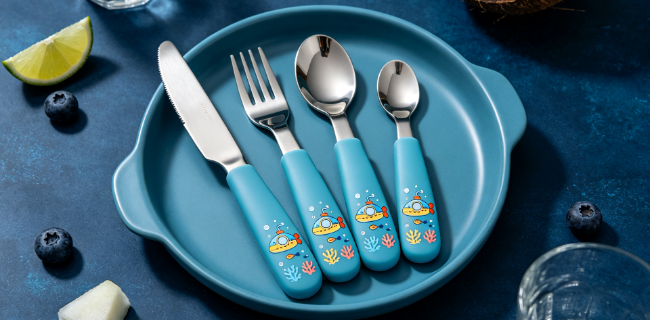
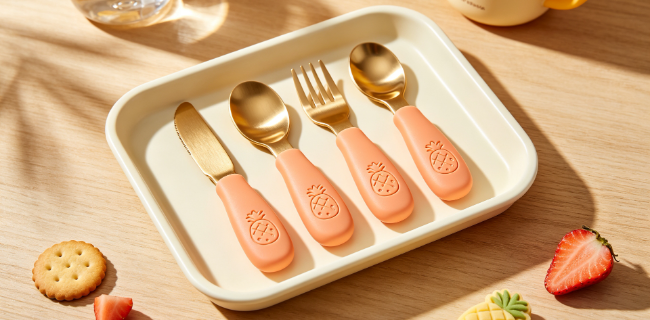
Fork tines are the narrow prongs extending from the fork head. Their geometry varies according to the product type and intended use.
A standard dinner fork typically has four tines, while certain specialty forks may use different configurations. The appropriate design depends on the product category rather than a universal dimensional standard.
Tine length affects the overall appearance and proportions of the fork head. Spacing influences how the fork looks and how easily food can be picked up. The shape of the tips and the transition between the tines and the main fork head also deserve attention.
For commercial cutlery projects, these details should be reviewed alongside handle dimensions and overall fork length to create a balanced design.
Key Dimensions Buyers Should Confirm
Before approving a stainless steel fork, purchasing teams should identify the measurements that matter most to the project.
1. Tine Length
Tine length influences the proportions of the fork head and should be appropriate for the intended product category. Buyers should define the measurement method on the technical drawing to avoid confusion during sample approval.
2. Tine Spacing
Consistent spacing helps create a uniform appearance across a production batch. The distance between adjacent tines should match the approved design, and the spaces should be free from visible finishing defects.
3. Tine Thickness
Thickness affects the appearance and mechanical characteristics of the fork. The required dimensions should be selected according to the product design, material, and intended application.
A specification should identify the measurement points and acceptable tolerances instead of relying only on a general description such as heavy-duty or premium.
4. Tip Shape and Edge Quality
Fork tips should be finished according to the intended use and applicable product requirements. Buyers should check for burrs, irregular edges, deformation, and inconsistent polishing.
5. Fork Head Alignment
The tines should follow the approved layout without unintended bending or uneven spacing. The transition from the fork head to the handle should also match the product drawing or approved sample.
Choosing the Right Fork Design for Different Markets
Different purchasing channels may require different product characteristics.
For everyday retail flatware, buyers may prioritize an attractive design, comfortable handling, and coordinated styling across the set. Hospitality suppliers may emphasize durability, easy maintenance, and reliable replacement availability.
Distributors supplying institutional or commercial customers may need consistent specifications across repeated orders. In these cases, standardized drawings and documented inspection criteria can help reduce variation between shipments.
For private label collections, the fork design should also coordinate with the matching spoon and knife. Handle contours, surface finish, overall proportions, and decorative details should create a consistent visual identity.
Homefelt factory can work with customers to assess these requirements when developing customized stainless steel cutlery collections.
Material and Manufacturing Details to Review
Fork design cannot be evaluated independently of the material and manufacturing process. Stainless steel grade, product thickness, forming methods, and finishing operations all influence the final result.
A purchasing specification should identify the agreed stainless steel grade, overall dimensions, tine geometry, surface finish, handle design, and packaging requirements.
Where relevant, buyers can also request information about material verification, corrosion-resistance testing, and other product-specific inspection results. The appropriate testing scope depends on the product construction and the destination market.
Factory audit documents and management-system certifications may support supplier evaluation, but buyers should verify which documents apply to the actual manufacturing facility and product order.
A Practical Quality Inspection Checklist
Before approving bulk production, buyers can use the following checklist to organize sample review and quality discussions.
Confirm the number of tines and the approved fork-head design.
Measure overall length and specified tine dimensions.
Compare tine spacing and alignment against the technical drawing.
Inspect tips and edges for burrs or visible finishing defects.
Check the surface finish under consistent lighting.
Confirm the stainless steel grade and relevant material documentation.
Review packaging requirements and protection during transportation.
Agree on inspection methods, tolerances, and sampling requirements.
For example, a wholesaler developing a coordinated 12-piece or 24-piece cutlery collection may approve a fork sample based on appearance but later discover inconsistencies in tine spacing across the production batch. Establishing measurable criteria before manufacturing helps make these issues easier to identify and manage.
How Homefelt Supports Customized Fork Manufacturing
Homefelt factory supports B2B buyers looking for stainless steel forks, spoons, knives, and complete flatware sets for wholesale and private label projects.
Customers can provide reference samples, drawings, product images, target quantities, preferred materials, and packaging concepts. These details help establish the proposed dimensions and manufacturing requirements before sample development.
OEM and ODM services can include product design coordination, handle customization, logo application where suitable, packaging development, and production planning. Homefelt can also coordinate transportation arrangements as part of a one-stop service according to the project scope.
For larger orders, clearly defined product specifications and agreed inspection procedures help purchasing teams communicate expectations throughout production. Any requested certifications, test reports, and quality documents should be confirmed during quotation and order review.
Build a Consistent Cutlery Collection
Fork tine design is a small but meaningful part of stainless steel cutlery development. By confirming dimensions, spacing, tip finishing, material requirements, and inspection criteria, buyers can make more informed sourcing decisions and establish clearer expectations for bulk orders.
For importers, distributors, hospitality suppliers, and retail brands, a detailed specification provides a practical starting point for developing a reliable product range.
You May Be Interested In
Explore stainless steel fork and flatware designs for your product collection.
Discuss custom fork dimensions and handle designs with Homefelt factory.
Request an OEM or ODM quotation for wholesale stainless steel cutlery.
Ask about private label packaging, bulk production capacity, and quality inspection arrangements.
Contact Homefelt with your fork design, material preferences, target quantity, and packaging requirements to discuss your next cutlery project.