


27 May
HOW TO RESTORE TARNISHED STAINLESS STEEL CUTLERY
HOW TO RESTORE TARNISHED STAINLESS STEEL...
HOW TO RESTORE TARNISHED STAINLESS STEEL CUTLERY
HOW TO RESTORE TARNISHED STAINLESS STEEL CUTLERY is an essential topic for anyone aiming to extend the lifespan and appearance of their kitchenware. Over time, stainless steel cutlery may lose its shine due to water stains, detergent residue, or improper storage. Restoring its original appearance requires understanding surface chemistry, cleaning methods, and preventive maintenance. With more than 30 years of manufacturing experience, Homefelt specializes in high-quality stainless steel cutlery production, ensuring durability, corrosion resistance, and long-term aesthetic performance across all product lines.
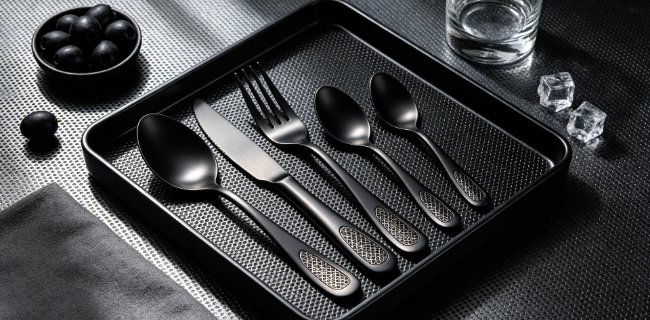
One common method of restoration involves using mild abrasives and natural cleaning agents to remove oxidation layers. However, the effectiveness of restoration also depends on the original steel quality and finishing process. Premium decorative sets such as laguiole besteck 24 color demonstrate how surface treatment and coloring techniques can enhance both visual appeal and resistance to tarnishing. These high-end finishes require careful maintenance to preserve their brilliance over time.
Historical cutlery collections also provide insight into long-term durability. Traditional European designs like besteck nowell sons england reflect craftsmanship standards where polishing and material selection were critical for maintaining shine. These older manufacturing principles still influence modern stainless steel production techniques used by companies like Homefelt, which integrates advanced polishing systems and strict quality control to ensure consistent surface performance.
Storage conditions also play a significant role in preventing tarnish. Exposure to humidity or acidic residues can accelerate discoloration. Classic regional designs such as besteck aberdeen highlight how cutlery was historically designed for both functionality and environmental resilience. Proper storage in dry, ventilated environments helps preserve the original finish and reduces maintenance frequency.
Cleaning technique is equally important. Avoiding harsh chemicals and abrasive scrubbers helps maintain the integrity of the stainless steel surface. Regular hand washing followed by immediate drying prevents water spots and mineral buildup. Professional kitchens often implement structured cleaning protocols to maintain cutlery appearance over long-term use.
Restoration also involves polishing techniques that restore reflective surfaces without damaging protective layers. Modern stainless steel manufacturing has improved resistance to tarnishing, but periodic maintenance remains essential for long-term aesthetics. Homefelt applies multi-stage polishing and surface treatment processes to minimize oxidation and improve durability from the production stage itself.
Ultimately, restoring tarnished stainless steel cutlery requires a combination of proper cleaning, storage, and material understanding. With decades of expertise, Homefelt continues to produce high-performance cutlery that maintains both functionality and elegance, ensuring long-lasting value for households and professional kitchens worldwide.