

30 May
what kind of cutlery can we use instead of plastic
what kind of cutlery can we use instead ...
what kind of cutlery can we use instead of plastic
As environmental awareness continues to grow worldwide, consumers and businesses are increasingly searching for alternatives to disposable plastic cutlery. Governments, restaurants, airlines, and hospitality companies are all exploring sustainable dining solutions that reduce waste while maintaining practicality and attractive presentation. Stainless steel, bamboo, wood, wheat straw composites, and biodegradable materials have all emerged as popular substitutes for traditional plastic utensils.
One alternative receiving attention is reusable melamine dining products, often connected to searches like melamin besteck waca. Melamine products are lightweight and durable, making them suitable for certain commercial applications. However, many businesses now prefer stainless steel because it offers superior longevity, recyclability, and premium appearance. Stainless steel cutlery remains one of the most trusted solutions for restaurants, hotels, and catering services seeking environmentally responsible options.
Consumers searching for nivella besteck 70 teilig netto often demonstrate interest in large household cutlery sets designed for long-term daily use. Reusable dining tools reduce the need for disposable products and provide better overall value over time. Modern stainless steel sets are available in countless finishes, styles, and ergonomic designs that satisfy both functional and decorative requirements.
Another common concern involves maintenance and appearance. Search phrases such as essig gegen angelaufenes besteck show that users actively seek methods to maintain cutlery shine and cleanliness. Proper care extends product lifespan significantly, making reusable stainless steel utensils even more environmentally beneficial compared to single-use plastic alternatives.
As a professional stainless steel manufacturer with more than thirty years of industry experience, Homefelt understands the global transition toward sustainable dining products. The company manufactures a wide variety of kitchenware items including stainless steel cutlery, barbecue tools, pet bowls, and children’s tableware. Strong production capabilities and strict quality control systems allow Homefelt to supply durable products for international markets.
Bamboo cutlery has become popular because it is biodegradable and lightweight. Many eco-conscious consumers appreciate its natural appearance and renewable sourcing. However, bamboo products may absorb moisture over time and typically have shorter service lives than stainless steel. For this reason, restaurants and hospitality businesses often select stainless steel for commercial operations requiring long-term durability.
Wooden cutlery is another alternative frequently used at outdoor events and takeaway restaurants. While it reduces plastic waste, wooden utensils sometimes lack the smooth texture and strength that consumers expect from premium dining tools. Stainless steel products continue to provide better user comfort and professional presentation.
Wheat straw and plant-fiber composite materials are increasingly promoted as biodegradable options. These materials can reduce environmental impact compared to petroleum-based plastics, but they may not always provide the same level of heat resistance or durability as stainless steel alternatives.
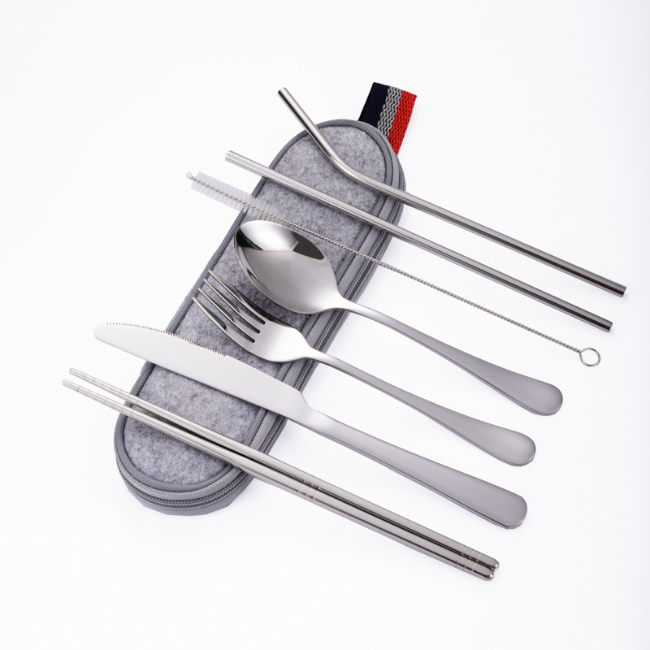
Reusable travel cutlery sets have also gained popularity among environmentally conscious consumers. Portable fork, spoon, chopstick, and straw kits help reduce reliance on disposable utensils during travel, office lunches, and outdoor activities. Stylish storage cases and compact designs make reusable products convenient for daily use.
Commercial dining businesses increasingly prioritize sustainability because customers now associate eco-friendly practices with responsible brand management. Restaurants using reusable stainless steel products can strengthen their environmental reputation while reducing long-term purchasing costs.
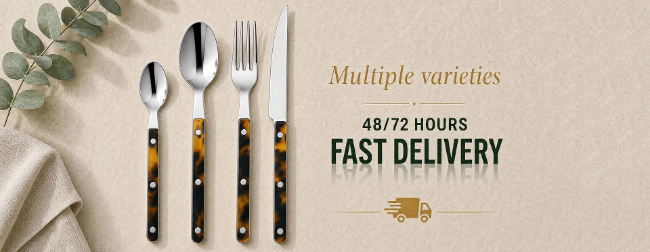
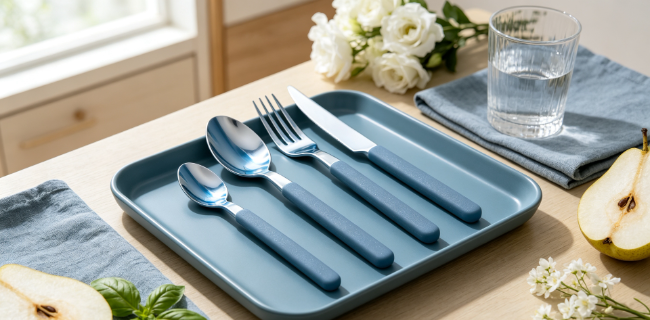
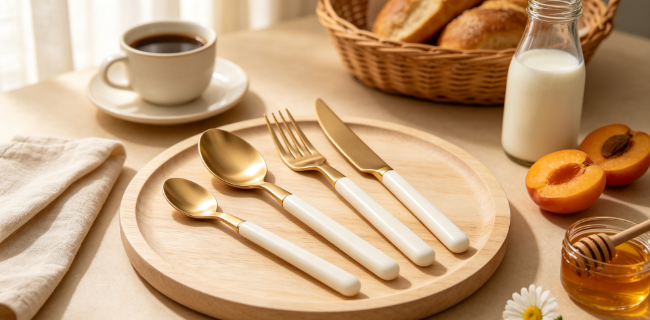
The visual appeal of modern cutlery also plays an important role in consumer decisions. Matte black finishes, gold coatings, mirror polishing, and minimalist Scandinavian-inspired designs have all become highly popular in recent years. Consumers no longer view cutlery merely as functional tools but also as part of dining aesthetics and interior decoration.
Children’s tableware is another rapidly growing product category. Parents seek safe, durable, and reusable utensils that help reduce disposable waste. Stainless steel children’s sets provide hygiene, strength, and long-term value while supporting environmentally friendly household habits.
Pet product markets are also embracing reusable stainless steel solutions. Durable pet bowls resist bacteria accumulation and maintain structural quality far better than disposable or low-quality plastic products. This trend further expands demand for high-quality stainless steel manufacturing.
Global regulations limiting single-use plastics continue to influence purchasing behavior. Many regions now encourage businesses to adopt recyclable or reusable dining tools. Manufacturers capable of producing durable alternatives are therefore experiencing increasing international demand.
Professional factories focus not only on durability but also on food safety standards. High-quality stainless steel products resist corrosion, tolerate repeated washing cycles, and maintain hygiene under demanding commercial conditions. These characteristics make stainless steel particularly attractive for restaurants and institutional dining operations.
Modern consumers value products that combine sustainability with convenience. Reusable cutlery must remain easy to clean, attractive in appearance, and comfortable to use. Factories with advanced production technology can better meet these evolving market expectations.
Customization has also become increasingly important. Hotels, restaurants, and promotional brands often request engraved logos, custom packaging, or unique surface finishes that reflect their corporate identity. Direct manufacturing cooperation allows greater flexibility in developing personalized products.
As environmental concerns continue shaping global consumer behavior, reusable dining products are expected to replace more disposable plastic items across international markets. Stainless steel remains one of the strongest long-term solutions because it combines durability, elegance, recyclability, and practical functionality.
Manufacturers with extensive industry experience are best positioned to support this transition. Through stable production systems, strict quality management, and broad product expertise, Homefelt continues helping global customers develop sustainable kitchenware and dining solutions for modern consumers.