

17 May
Stainless Steel Spoon Surface Finishes: Mirror, Satin, Brushed and Matte Options
Stainless Steel Spoon Surface Finishes: ...
Stainless Steel Spoon Surface Finishes: Mirror, Satin, Brushed and Matte Options
The surface finish is one of the most visible characteristics of a stainless steel spoon. It can influence the appearance, tactile impression and market positioning of the finished product.
For restaurants, hotels, distributors, retailers and private label brands, choosing a suitable finish should be considered together with the spoon design, stainless steel material, production process and intended use.
Mirror, satin, brushed and matte finishes can create very different visual effects even when the underlying spoon design is the same.
Why Surface Finish Matters
The finish affects how light interacts with the stainless steel surface.
It can influence:
Product appearance
Reflectivity
Visual texture
Hand feel
Brand positioning
Perceived product quality
Cleaning appearance
For B2B projects, the selected finish should be defined clearly before sample approval and mass production.
What Is a Mirror Finish?
A mirror finish is highly polished and reflective.
The surface is processed to create a smooth appearance with strong light reflection.
Mirror-finished spoons are commonly considered for:
Hotels
Fine dining restaurants
Premium tableware
Hospitality projects
Higher-end retail
Because the surface is highly reflective, visible scratches and polishing inconsistencies can also be easier to notice.
Mirror Finish Appearance
A high-quality mirror finish should have a consistent appearance across the production batch.
Buyers can examine:
Reflection
Surface smoothness
Polishing consistency
Visible marks
Transition areas
Overall brightness
A physical sample is useful because photographs may not accurately show the surface quality.
What Is a Satin Finish?
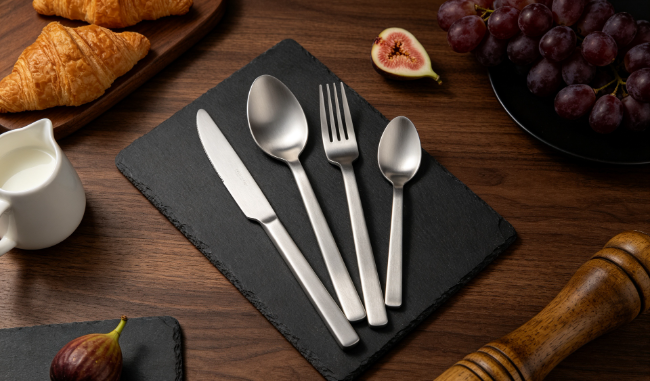
A satin finish has a softer appearance than a mirror polish.
Instead of producing a highly reflective surface, the treatment creates a more subdued visual effect.
Satin-finished spoons can work well for:
Contemporary tableware
Modern restaurants
Hotel collections
Retail products
Everyday premium products
The exact appearance can vary depending on the finishing process.
What Is a Brushed Finish?
A brushed finish creates a directional surface texture.
Fine lines are typically visible across the treated area, creating a more textured appearance than a mirror finish.
Brushed spoons can be suitable for modern designs where a distinctive surface appearance is desired.
What Is a Matte Finish?
A matte finish has relatively low reflectivity.
It can create a soft, understated appearance and may be used for contemporary or minimalist tableware.
For private label brands, matte surfaces can provide a different visual identity from conventional polished flatware.
Mirror vs. Satin Finish
The main visual difference is reflectivity.
Mirror Finish
Highly reflective
Classic appearance
Highlights surface details
Often associated with premium tableware
Satin Finish
Lower reflectivity
Softer appearance
Contemporary visual effect
Can reduce the emphasis on strong reflections
The better option depends on the target product style.
Satin vs. Brushed Finish
These finishes can appear similar in photographs, but their surface structures are different.
A brushed finish generally has a visible directional texture.
A satin finish usually provides a smoother, more uniform low-reflection appearance.
For accurate product development, buyers should compare physical samples rather than selecting a finish from terminology alone.
Mirror vs. Matte Finish
Mirror and matte finishes create almost opposite visual impressions.
Mirror emphasizes:
Reflection
Smoothness
Brightness
Traditional elegance
Matte emphasizes:
Softness
Low reflection
Modern styling
Understated appearance
Both can be effective depending on the market.
Surface Finish and Spoon Design
The same handle design can look completely different with different finishes.
For example, a decorative handle may become more visually prominent with a mirror surface, while a brushed or matte finish can create a more contemporary appearance.
The finish should therefore be selected during product development rather than treated as a final afterthought.
Surface Finish and Material
Stainless steel composition and surface finishing work together.
The selected material should be suitable for the intended manufacturing and finishing process.
For B2B buyers, the material specification and finish specification should be documented separately.
This makes the final product requirement easier to understand and reproduce.
Surface Finish and Product Positioning
Different finishes can support different market positions.
Premium Hospitality
Mirror polishing can provide a classic and formal appearance.
Modern Restaurants
Satin or brushed finishes can complement contemporary interiors.
Retail Collections
The finish can help differentiate product lines within the same brand.
Private Label Products
A distinctive finish can contribute to a recognizable product identity.
Surface Finish and Cleaning
All stainless steel spoons require appropriate cleaning and care for their intended use.
A finish can influence how visible certain marks or water spots appear.
Highly reflective surfaces may make visible marks easier to notice, while lower-reflection finishes can provide a different visual effect.
Actual cleaning performance depends on the stainless steel material, surface condition and cleaning environment.
Surface Finish and Scratches
Surface protection is important during production, packing and transportation.
Mirror finishes can make visible scratches particularly noticeable.
For such products, buyers may consider:
Protective separation
Individual sleeves
Appropriate inner packaging
Careful carton packing
Packaging should be tested together with the finished product.
Surface Finish Consistency
For large B2B orders, finish consistency is important.
Products within the same order should have a similar visual appearance.
Inspection can compare:
Reflection
Surface texture
Color appearance where applicable
Polishing marks
Visible scratches
The approved sample should be used as the main reference.
Surface Finish for Restaurant Spoons
Restaurant buyers should select a finish based on the dining environment and product concept.
A traditional restaurant may prefer a polished appearance, while a modern restaurant may choose a softer or textured finish.
The finish should also work with the rest of the tableware collection.
Surface Finish for Hotels
Hotels often need tableware that combines visual presentation with practical long-term supply.
A consistent finish across replacement orders is particularly important.
The original approved sample and documented specification can help maintain the same appearance over time.
Surface Finish for Retail Products
Retail brands can use surface finishing as a way to differentiate similar spoon designs.
For example, the same basic design could be offered in:
Mirror
Satin
Brushed
Matte
This can create separate product lines without completely redesigning the spoon.
Surface Finish for Private Label Products
Private label brands should define the finish before finalizing product photography and packaging.
The actual production finish should match the approved sample used for product presentation.
This helps maintain consistency between:
Physical product
Packaging
Catalog images
Online listings
Customer expectations
Can a Stainless Steel Spoon Have a Custom Finish?
Yes, custom projects can use specific finishing requirements depending on the product design and manufacturing capability.
A custom specification may define:
Surface texture
Reflectivity
Finish area
Direction of brushing
Decorative treatment
The feasibility should be confirmed during sample development.
How Buyers Should Approve a Finish
A physical sample is the most practical reference for a B2B project.
During approval, buyers can evaluate:
Overall appearance
Surface texture
Reflectivity
Uniformity
Scratches
Polishing marks
Transition areas
The approved sample should then be retained for future production.
Common Surface Finish Problems
Potential issues include:
Uneven polishing
Visible scratches
Inconsistent brushing direction
Surface stains
Different reflectivity between pieces
Marks around decorative areas
The acceptable quality level should be agreed before mass production.
Finish and Wholesale Cost
Surface finishing can influence manufacturing cost.
The final quotation may depend on:
Finishing method
Product size
Surface area
Production quantity
Product design
Packaging
Buyers should compare quotations using the same finish specification.
Finish Selection for Large Orders
For large B2B projects, buyers should avoid making a final decision based only on a product photograph.
Instead:
Select the desired finish
Request a physical sample
Confirm the appearance
Define the specification
Approve the sample
Use it as the production reference
This approach can reduce misunderstandings between buyer and manufacturer.
Working With an Experienced Stainless Steel Spoon Manufacturer
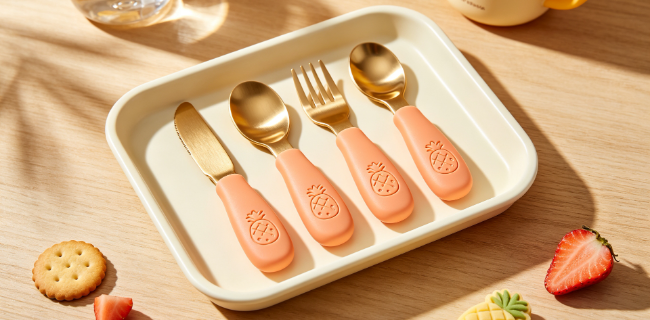
Homefelt has more than 30 years of stainless steel manufacturing experience and produces stainless steel cutlery together with kitchen and dining products, BBQ tools, pet bowls and children's tableware.
For international B2B customers, Homefelt supports stainless steel spoon projects with different surface finishing requirements, including polished and contemporary surface treatments.
Importers, distributors, restaurant suppliers, hotels, retailers and private label brands can specify the desired finish together with material, thickness, dimensions, weight and packaging requirements.
For customized products, the surface finish can be evaluated and approved during sample development before bulk production.
A Practical Surface Finish Selection Process
B2B buyers can follow these steps:
Define the target market
Select the spoon design
Confirm the stainless steel material
Identify suitable finish options
Request physical samples
Compare mirror, satin, brushed or matte effects where appropriate
Evaluate surface consistency
Check the finish under normal lighting
Confirm packaging protection
Approve the final sample
Document the finish specification
Use the approved sample for production inspection
This creates a clear reference for both product development and quality control.
Conclusion
Stainless steel spoon surface finish has a significant influence on the final appearance and market positioning of a product.
Mirror, satin, brushed and matte finishes each create different visual effects. The best choice depends on the spoon design, target market, intended application and brand identity.
For B2B buyers, the finish should be specified clearly and approved using a physical sample before mass production. Material, thickness, dimensions, weight and packaging should also be considered as part of the complete product specification.
Homefelt has more than 30 years of stainless steel manufacturing experience and works with international B2B customers on standard and customized stainless steel products.
By selecting the finish carefully and maintaining an approved reference sample, buyers can achieve a more consistent stainless steel spoon appearance across bulk and repeat orders.