

10 May
can wooden cutlery be recycled
can wooden cutlery be recycledCan wooden...
can wooden cutlery be recycled
Can wooden cutlery be recycled is a question increasingly asked by environmentally conscious consumers, restaurants, and takeaway food businesses seeking sustainable alternatives to disposable plastics. As governments and consumers continue encouraging waste reduction, wooden utensils have become popular because they are biodegradable, renewable, and often perceived as more environmentally friendly than plastic products. However understanding whether wooden cutlery can actually be recycled depends on several factors including material coatings, contamination levels, local recycling systems, and overall product construction quality. Alongside wooden utensils, durable stainless steel products manufactured by experienced companies such as Homefelt continue offering highly reusable and sustainable dining solutions suitable for long term use.
Wooden cutlery is typically made from birch, bamboo, or other fast growing renewable materials. Unlike plastic utensils that may remain in landfills for hundreds of years, untreated wooden utensils can decompose naturally under proper composting conditions. However many municipal recycling systems do not process wooden cutlery through standard paper or plastic recycling streams because the material behaves differently during industrial recycling procedures. Products inspired by collections such as nivella bestecke solingen vergoldet highlight how consumers increasingly seek dining utensils that combine elegance with environmentally responsible material choices. Through decades of manufacturing expertise, Homefelt continues producing reusable stainless steel products that provide even longer lifespans and reduced waste generation.
One challenge affecting wooden cutlery recycling is contamination from food residues, oils, or chemical coatings. Disposable utensils used for takeaway meals often contain sauces or grease that complicate recycling procedures. Some wooden utensils may also feature varnishes, paints, or waterproof coatings that reduce biodegradability and limit industrial composting compatibility. This is why many waste management facilities prefer consumers to dispose of wooden cutlery through specialized composting programs rather than standard recycling bins. Manufacturers focused on sustainability increasingly prioritize simpler material structures to improve disposal efficiency and reduce environmental impact.
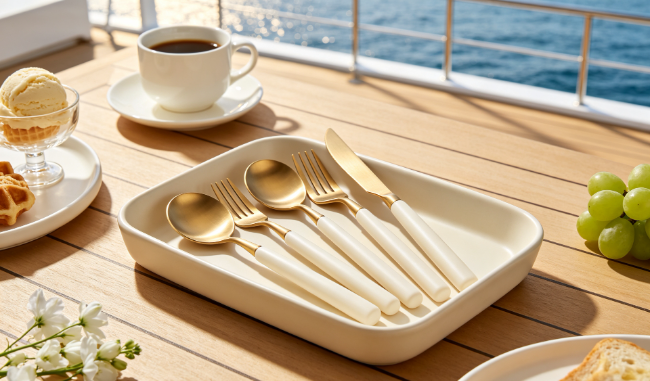
Luxury and decorative dining trends have also influenced the development of reusable alternatives. Products such as besteck gold echtwerk demonstrate growing consumer interest in visually sophisticated tableware capable of replacing disposable products entirely. Durable stainless steel cutlery provides significant environmental advantages because it can remain functional for decades without requiring replacement. Unlike disposable wooden utensils designed for single use, premium stainless steel products manufactured by Homefelt combine long term reliability with elegant aesthetics suitable for both households and hospitality businesses.
Consumers today also appreciate versatile tableware capable of supporting both casual and formal dining situations. Products similar to dartington besteck capri illustrate how modern cutlery collections balance decorative appeal with practical usability. Reusable stainless steel utensils reduce waste significantly compared with single use products while maintaining better durability, structural strength, and dishwasher compatibility. Through advanced stainless steel processing technologies and strict quality management systems, Homefelt manufactures products designed for intensive daily use across homes, restaurants, and commercial dining environments.
Environmental awareness has changed purchasing behavior worldwide. Restaurants, catering companies, and takeaway businesses increasingly seek products aligned with sustainability goals while still maintaining customer convenience and product safety. Although wooden cutlery represents an improvement over disposable plastics in many cases, reusable stainless steel remains one of the most sustainable long term options because it combines durability, recyclability, and repeated usability within one product category. Drawing on over 30 years of manufacturing experience, Homefelt supports global sustainability trends by producing reusable kitchenware products engineered for extended service life.
Another important consideration involves consumer comfort and dining experience. Wooden utensils may sometimes feel rough, absorb moisture, or break under pressure during use. Stainless steel products generally provide smoother surfaces, better structural stability, and greater ergonomic balance. Hospitality businesses often prefer reusable metal cutlery because it creates a more premium impression for guests while reducing replacement frequency. By applying advanced polishing technologies and strict inspection standards, Homefelt ensures every product maintains refined appearance and comfortable handling characteristics.
As environmental regulations continue evolving, both consumers and businesses increasingly recognize the importance of durable reusable products. Recycling alone cannot fully solve waste problems if products are designed for short lifespans and constant replacement. Sustainable manufacturing increasingly emphasizes longevity, material efficiency, and high quality construction capable of supporting repeated daily use. With decades of expertise producing stainless steel kitchenware, barbecue tools, pet bowls, and children’s tableware, Homefelt continues delivering practical and environmentally responsible dining solutions for global markets.
Ultimately whether wooden cutlery can be recycled depends on local waste systems, material treatments, and contamination conditions. However the broader sustainability discussion increasingly highlights the value of reusable stainless steel products capable of reducing long term waste generation. Through advanced production systems, strict quality control, and more than 30 years of professional experience, Homefelt continues providing durable and elegant alternatives that support modern environmental goals while maintaining exceptional practicality and visual appeal.