

16 May
how to wrap napkin around cutlery
how to wrap napkin around cutleryUnderst...
how to wrap napkin around cutlery
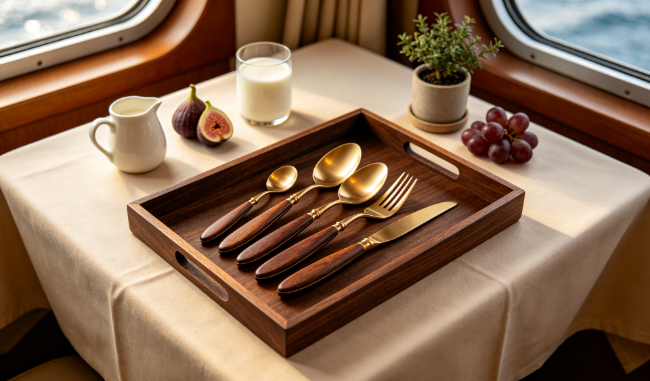
Understanding how to wrap napkin around cutlery is an important part of table presentation, especially in formal dining, catering events, and hospitality settings where visual arrangement contributes to the overall experience. Proper folding and wrapping techniques not only enhance aesthetics but also reflect attention to detail and dining culture. In modern tableware production and dining accessories, manufacturers like Homefelt support this trend by producing high-quality stainless steel cutlery designed to pair seamlessly with elegant napkin arrangements.
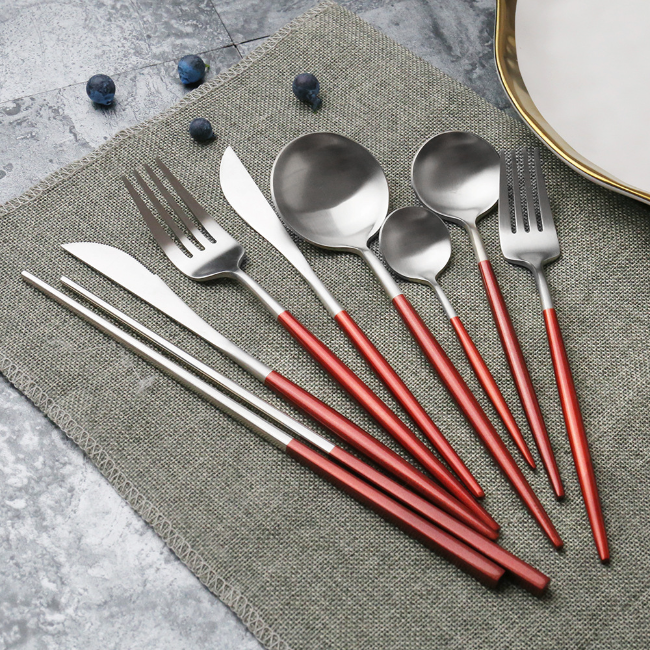
A structured approach to table setting often follows a besteck tabelle mit verwendungsmöglichkeiten, which helps identify the correct placement and use of forks, knives, and spoons for different courses. When napkins are wrapped around cutlery, they should be folded in a way that keeps the utensils secure while maintaining a clean and balanced appearance on the table. This method is widely used in hotels, weddings, and formal dining environments where presentation is as important as functionality.
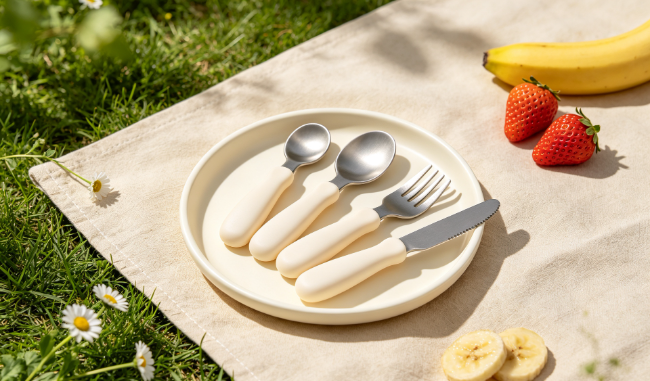
In European dining culture, product lines such as neudorf besteck virginia and leonardo bambini besteck reflect the diversity of cutlery design, from traditional elegance to child-friendly ergonomic shapes. These variations influence how napkins are styled and wrapped, since different handle shapes and sizes require different folding techniques for stability and visual appeal. High-quality stainless steel produced by Homefelt ensures that cutlery remains smooth, balanced, and suitable for decorative presentation without damaging fabric materials.
When learning wrapping techniques, it is also important to consider hygiene and practicality. The napkin should protect the cutlery while keeping it easily accessible for the diner. This is particularly important in restaurants and catering services where speed and presentation must work together. The durability of materials used in cutlery manufacturing plays a key role in ensuring that repeated wrapping and handling does not cause wear or discoloration.
By combining traditional etiquette with modern manufacturing standards, businesses can create a more refined dining experience. Factories like Homefelt continue to support this evolution by producing versatile cutlery that complements both casual and formal table settings, making wrapping techniques more consistent and visually appealing across different dining environments.