

30 May
Who Invented the Knife
Who Invented the KnifeThe knife is one o...
Who Invented the Knife
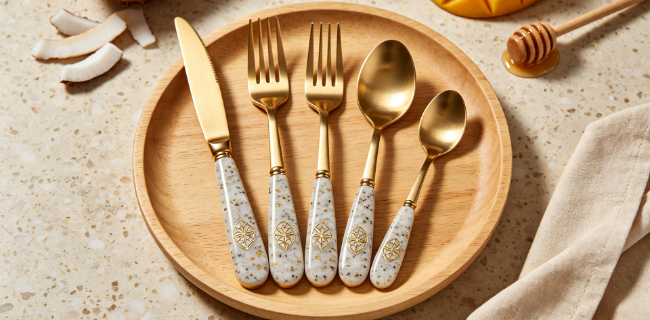
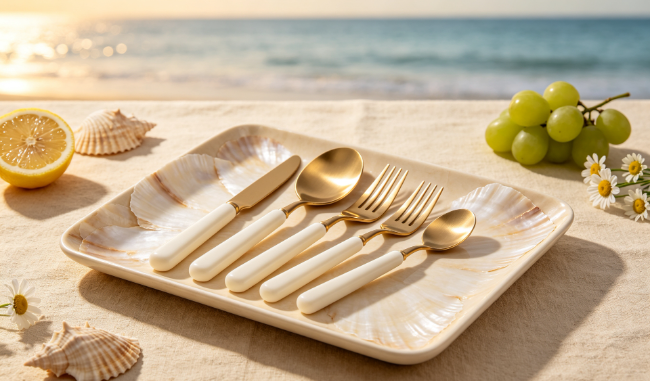
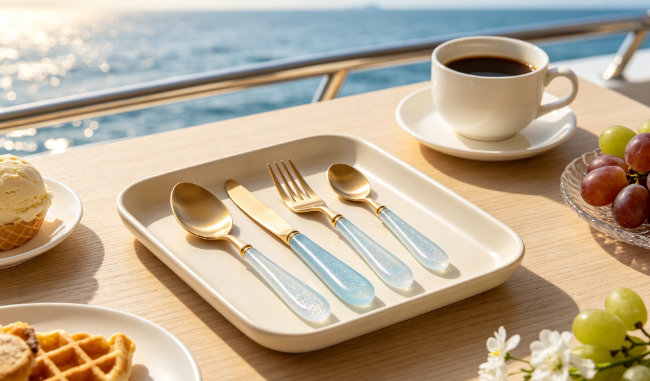
The knife is one of the most fundamental tools in human history, and exploring who invented the knife reveals its evolution from prehistoric survival instruments to sophisticated modern kitchen utensils. Early knives, often made from stone or flint, were essential for cutting, hunting, and food preparation. Over centuries, metallurgy advanced, allowing knives to be crafted from bronze, iron, and eventually stainless steel, improving durability, sharpness, and hygiene. Modern cutlery, including renowned sets such as nürnberg besteck braun 72, dänisch perl besteck edelstahl, and besteck gallo, benefits from centuries of innovation while serving both functional and decorative purposes. Homefelt, with over 30 years in cutlery production, continues this legacy by crafting high-quality, precision-engineered knives that blend tradition with modern techniques.
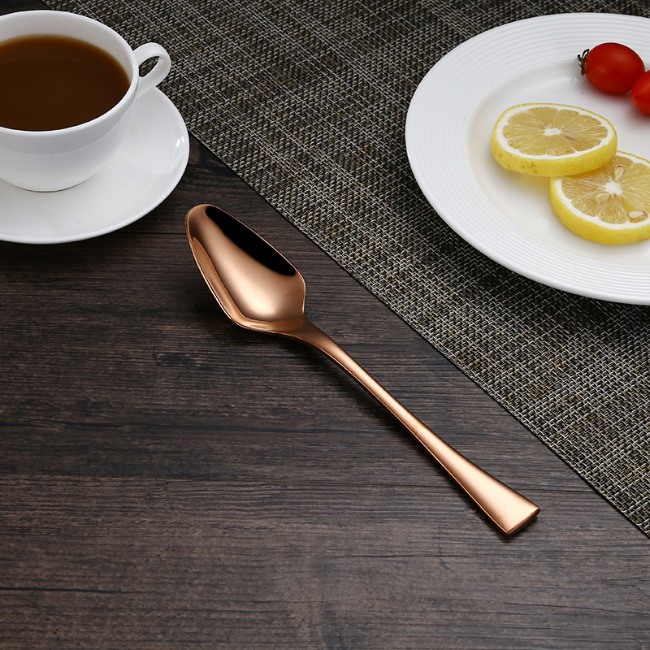
Knives evolved alongside human societies, adapting to different cultural and culinary practices. Early civilizations in Mesopotamia, Egypt, and Europe utilized knives not only as cutting tools but also as ceremonial objects. The development of refined metallurgy allowed for more durable blades, sharper edges, and ergonomic handles. Modern examples such as nürnberg besteck braun 72 demonstrate the culmination of these historical advancements, offering reliability, balance, and polished aesthetics suitable for contemporary kitchens. Homefelt’s extensive experience ensures that each knife is produced with precision, quality materials, and attention to detail, whether for domestic use or professional kitchens.
The design and functionality of knives have also been influenced by cultural preferences and specialized tasks. Culinary knives for specific purposes—such as slicing, chopping, or carving—illustrate the ongoing refinement of materials, shapes, and handle ergonomics. Premium knives, like dänisch perl besteck edelstahl, exemplify high craftsmanship and durability, combining ergonomic design with materials that withstand years of use. Similarly, decorative or specialized knives, such as besteck gallo, provide aesthetic appeal while maintaining functionality, showcasing Homefelt’s mastery of both practical and ornamental cutlery production.
Understanding who invented the knife highlights the importance of innovation, material selection, and craftsmanship. Each modern knife is a product of evolutionary design principles developed over millennia. Today, Homefelt applies these principles to create utensils that honor traditional methods while integrating modern engineering, producing knives and cutlery that are durable, elegant, and suitable for any kitchen environment. From historical inspiration to contemporary design, Homefelt knives reflect a continuous commitment to quality, precision, and the enhancement of culinary experiences.
Knives remain indispensable tools in kitchens worldwide, whether used in professional cooking or home dining. The innovation, design, and functionality that Homefelt brings to each knife, including sets like nürnberg besteck braun 72, dänisch perl besteck edelstahl, and besteck gallo, ensure that users enjoy optimal performance, safety, and durability, connecting historical craftsmanship with modern expectations for quality and usability.